
Introduction
The vessel-to-turbine transfer process remains one of the most ambiguous and high-risk stages of offshore wind operations, with perceptions of acceptable conditions often varying between crews, technicians, and site management. This challenge is compounded by the growing number of new and relatively inexperienced technicians entering the industry. Without objective data, transfers can occur outside recommended safety limits—sometimes unknowingly—until an incident forces operations to stop, leading to lost production, potential asset damage, and significant operational disruption. Beyond the immediate impact, incidents may trigger extensive HSE investigations, negative media exposure, time-consuming stakeholder management, counselling for affected personnel, and even compensation claims.
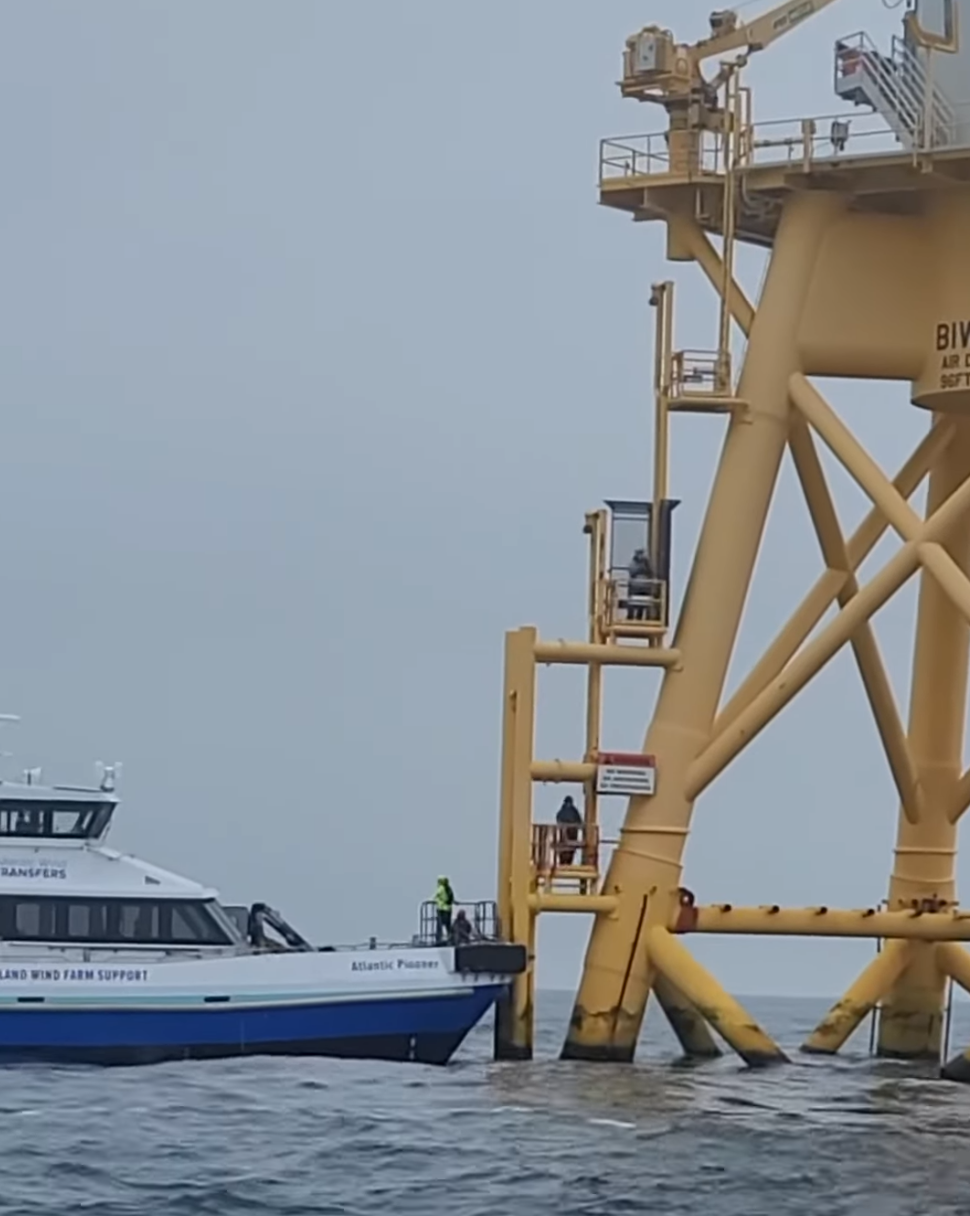
To address this, Verif-i has partnered with iWave Systems to deliver an innovative vessel motion monitoring system specifically designed for CTV transfers.
While the concept originated with iWave, the system has been engineered and built by Verif-i. The solution uses advanced IMU sensors, accelerometers, and purpose-designed software to continuously measure vessel motion and provide a clear, data-driven indication of whether conditions are safe for transfer. With a remote interface and Bluetooth connectivity, the system delivers real-time guidance and automatically records environmental and motion data for every transfer.
By removing ambiguity from transfer decisions, the system provides technicians with confidence and peace of mind, strengthens HSE processes with objective evidence, and creates a comprehensive record of site conditions. It enhances overall site accessibility, reduces commercial pressure on individuals to proceed in marginal conditions, and supports safer, more consistent decision-making across operations.
iWave Sea State Monitor (SSM)
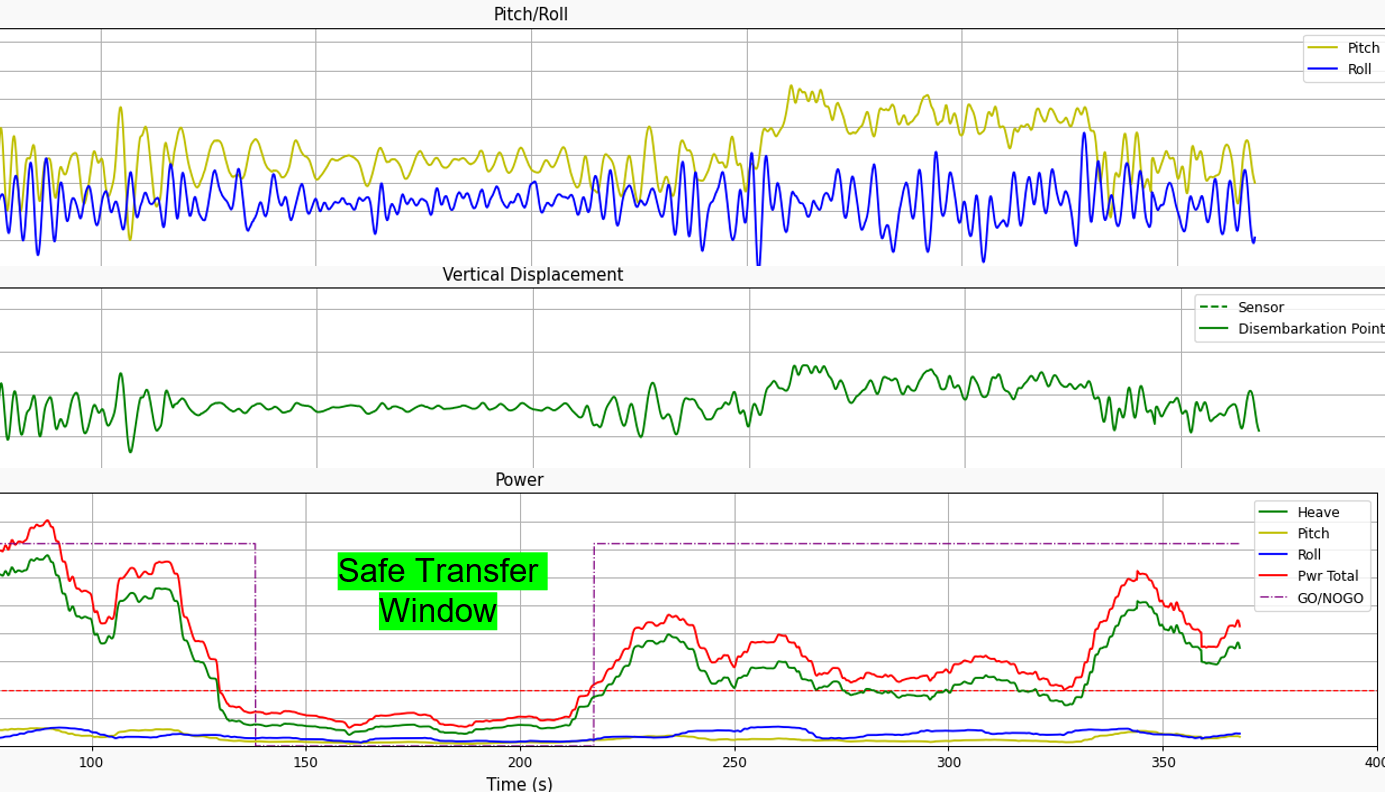
The iWave SSM continuously measures accelerations, roll, pitch and heave using a marine-grade IMU sensor. With advanced motion algorithms, the power of the vessel movement is computed and compared in real time against predefined operational limits, to provide a clear GO / NOGO transfer status.
This enables the Master and Marine Coordinator to make informed, consistent decisions based on measured vessel behaviour rather than visual estimation alone.
Click the button below to download the iWave Sea State Monitor brochure.
To speak to us about the iWave SSM, click the contact button to get in touch.